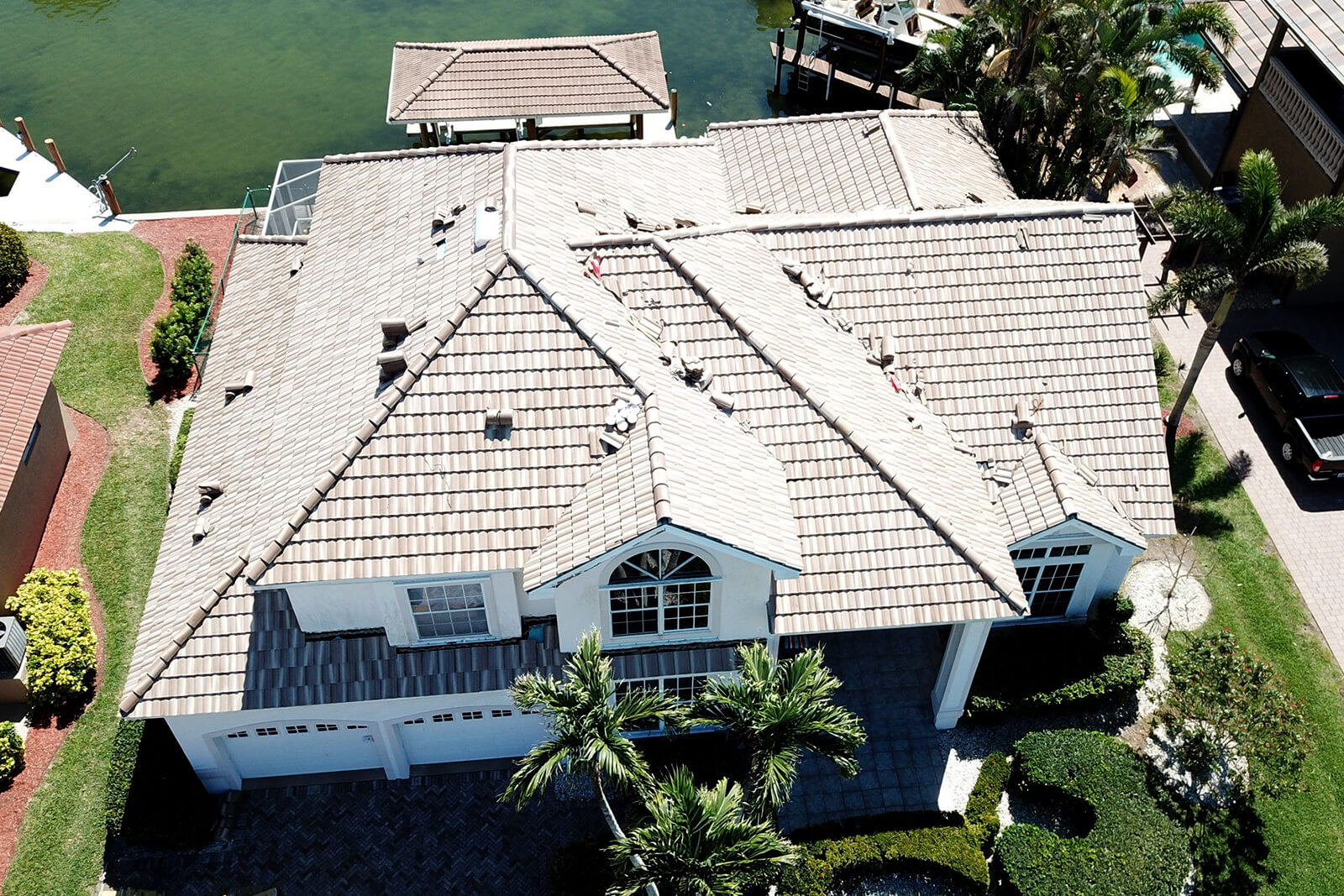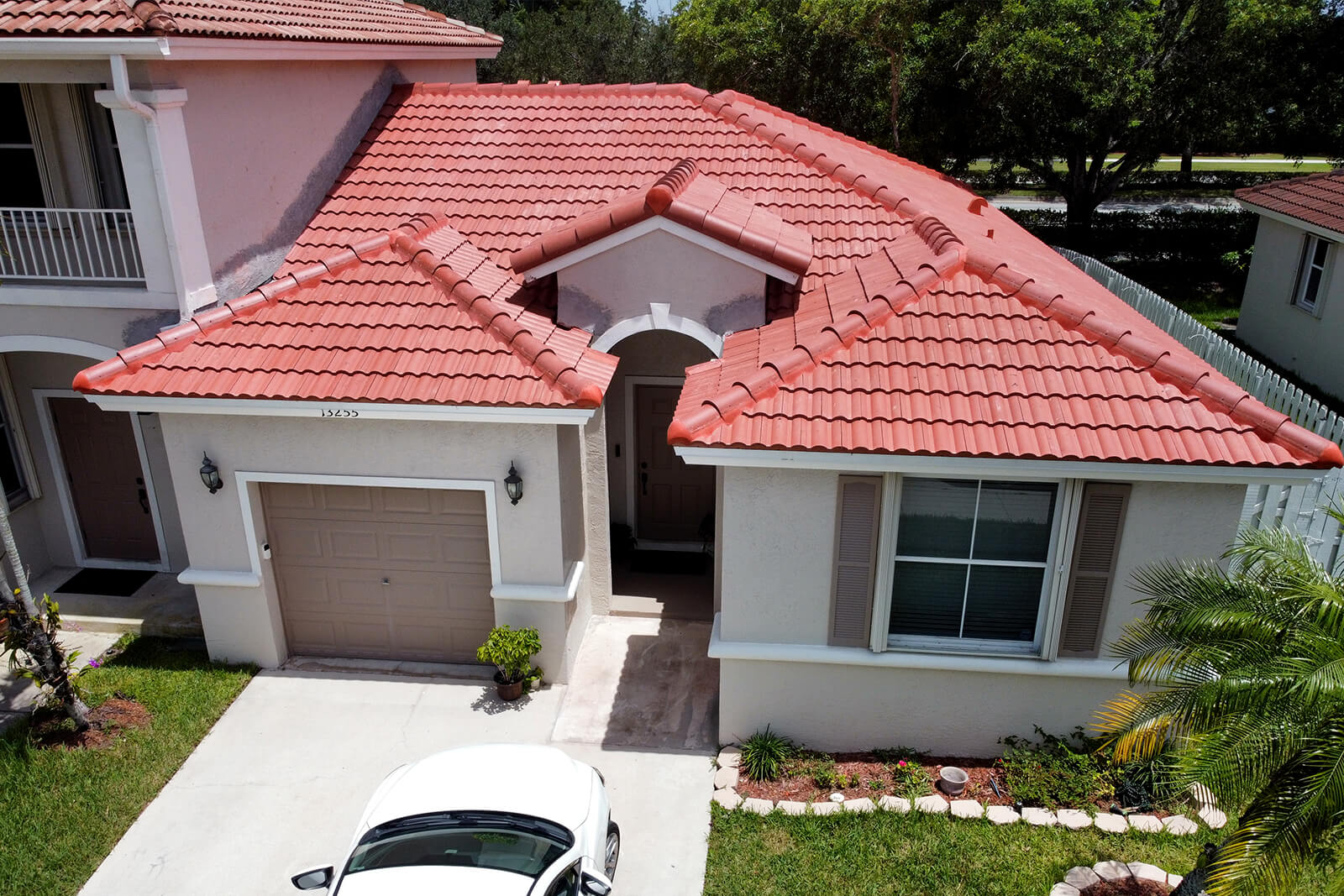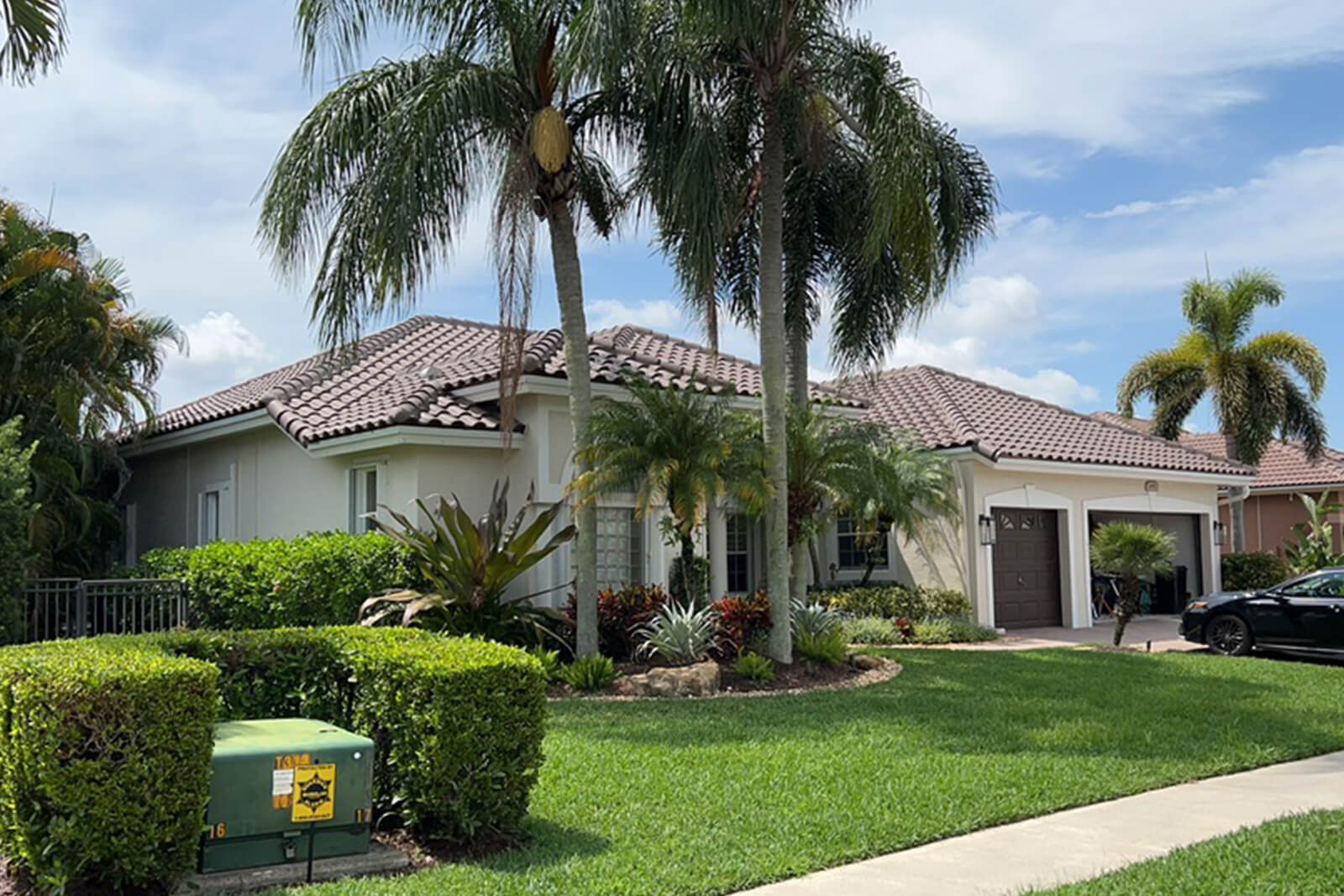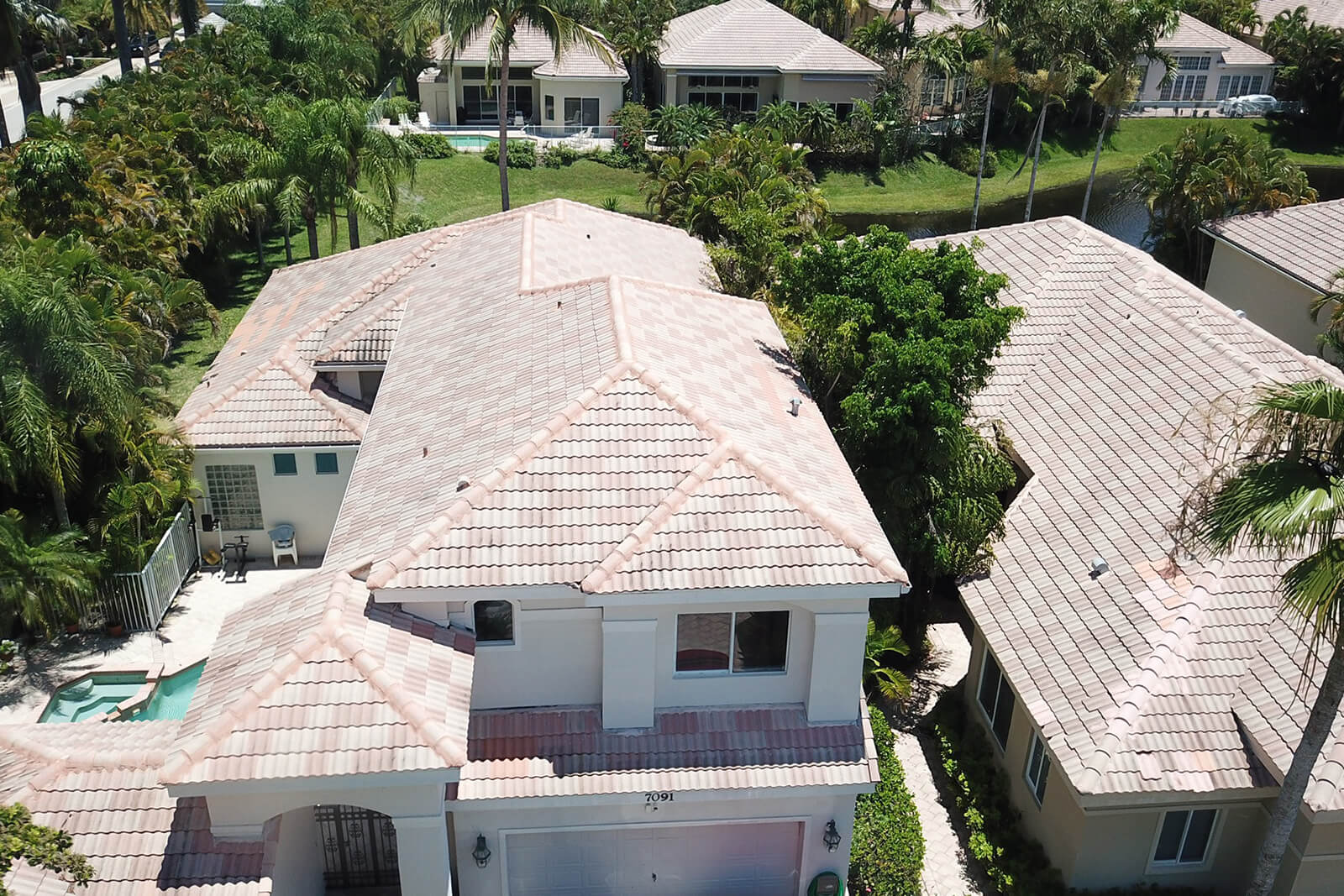
Document everything before you call your insurer. Take photos and videos of the damage from multiple angles, note the date and time it occurred, and avoid any repairs that alter the evidence. Most claims are denied or reduced because homeowners can’t prove the damage happened during the covered event. This breaks down when you’re dealing with long-term deterioration rather than sudden storm damage, because Florida law treats gradual wear completely differently than acute events.
Since 2007, we at Bentley Roofing have watched the South Florida insurance landscape shift dramatically. After Hurricane Irma and Ian, carriers tightened their standards, and homeowners who used to file claims without hesitation now face non-renewal threats. Understanding what your policy actually covers, and what documentation your carrier demands, makes the difference between a successful claim and a costly denial.
What Does Your Policy Actually Cover in Pompano Beach?
Most South Florida homeowners carry one of two policy types: an HO-3 or an HO-8. The HO-3 is the standard replacement cost policy that covers sudden damage from named perils like wind, hail, or falling objects. The HO-8 is the actual cash value policy that only reimburses depreciated value. If your roof is over 15 years old, Florida Statute 627.7011 allows insurers to demand an inspection before renewal and refuse coverage if the roof doesn’t meet current standards.
Here’s what we tell our Pompano Beach clients when they ask us about coverage: wind-driven rain is covered only if the wind first creates an opening in the roof. Rain that seeps through worn shingles or missing flashing doesn’t count as wind damage. We’ve seen dozens of homeowners file claims for leaks after heavy storms, only to have adjusters point out that the underlayment had been failing for years. The carrier pays nothing, and the homeowner is left with a claim on their record that makes future coverage harder to get.
The coastal location matters. For homes east of the Florida Turnpike, salt air accelerates deterioration by 40% compared to inland properties. Standard galvanized fasteners rust through in five years or less, leaving tiles loose and underlayments exposed. Insurance adjusters know this. They’ll look for corrosion patterns that indicate long-term neglect rather than acute storm damage.
How Should You Document Damage Before Calling Your Insurer?
The moment you notice damage, start creating your evidence file. Use your phone to capture wide shots showing the entire roof section, then close-ups of specific damaged areas. Include reference points like chimneys, vents, or neighboring structures so the adjuster can locate the damage during their inspection. Time-stamp everything. If you wait three weeks to document damage after a storm, the carrier will question whether it happened during the covered event.
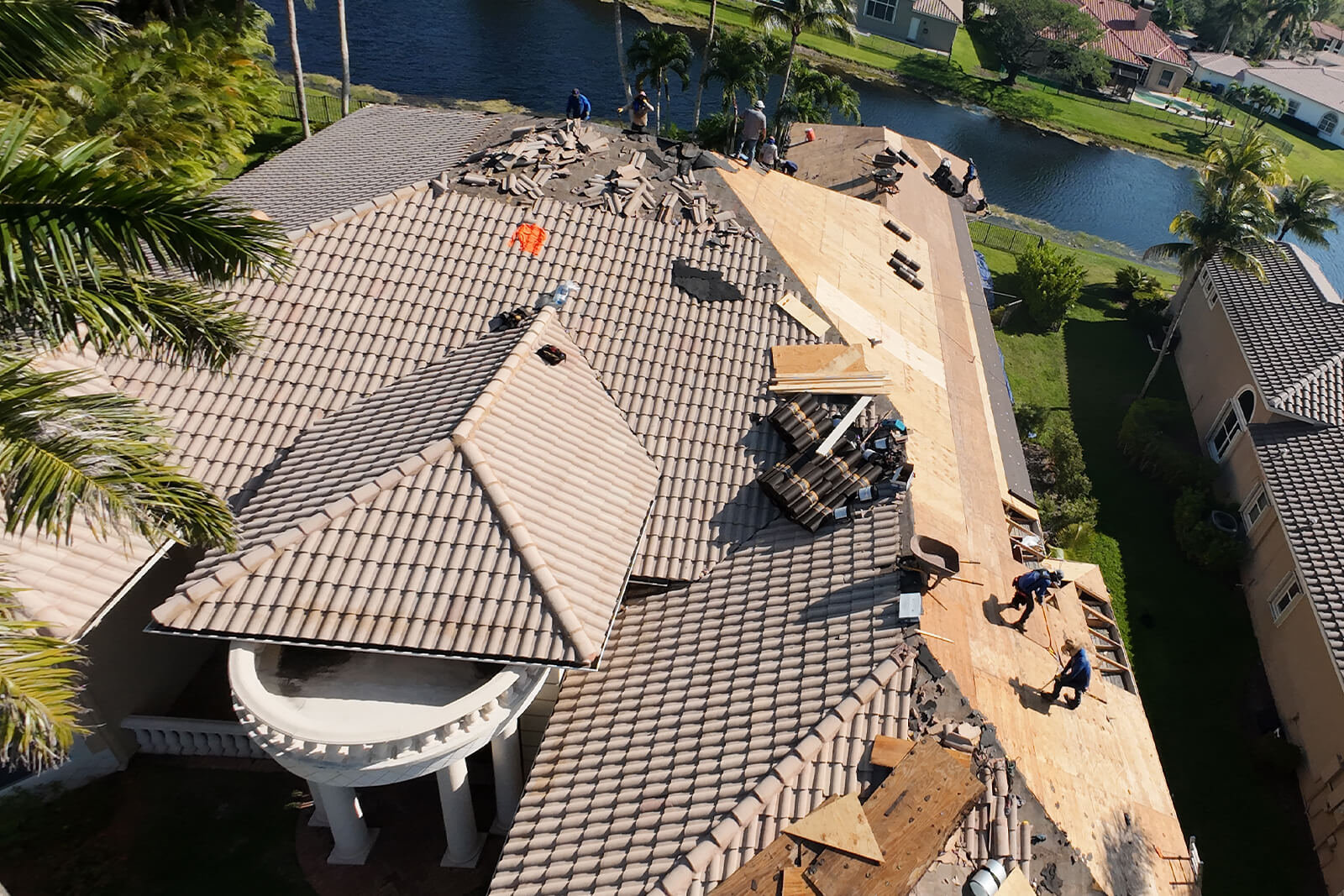
We’ve worked with homeowners who made the mistake of letting a storm chaser onto their roof before the adjuster arrived. The contractor moved tiles, pulled up shingles to “investigate,” and suddenly the insurance company couldn’t determine what damage was pre-existing versus contractor-caused. At Bentley Roofing, we refuse to touch a damaged roof until after the adjuster completes their inspection, unless the homeowner specifically requests emergency tarping to prevent further damage. Even then, we photograph everything before and after.
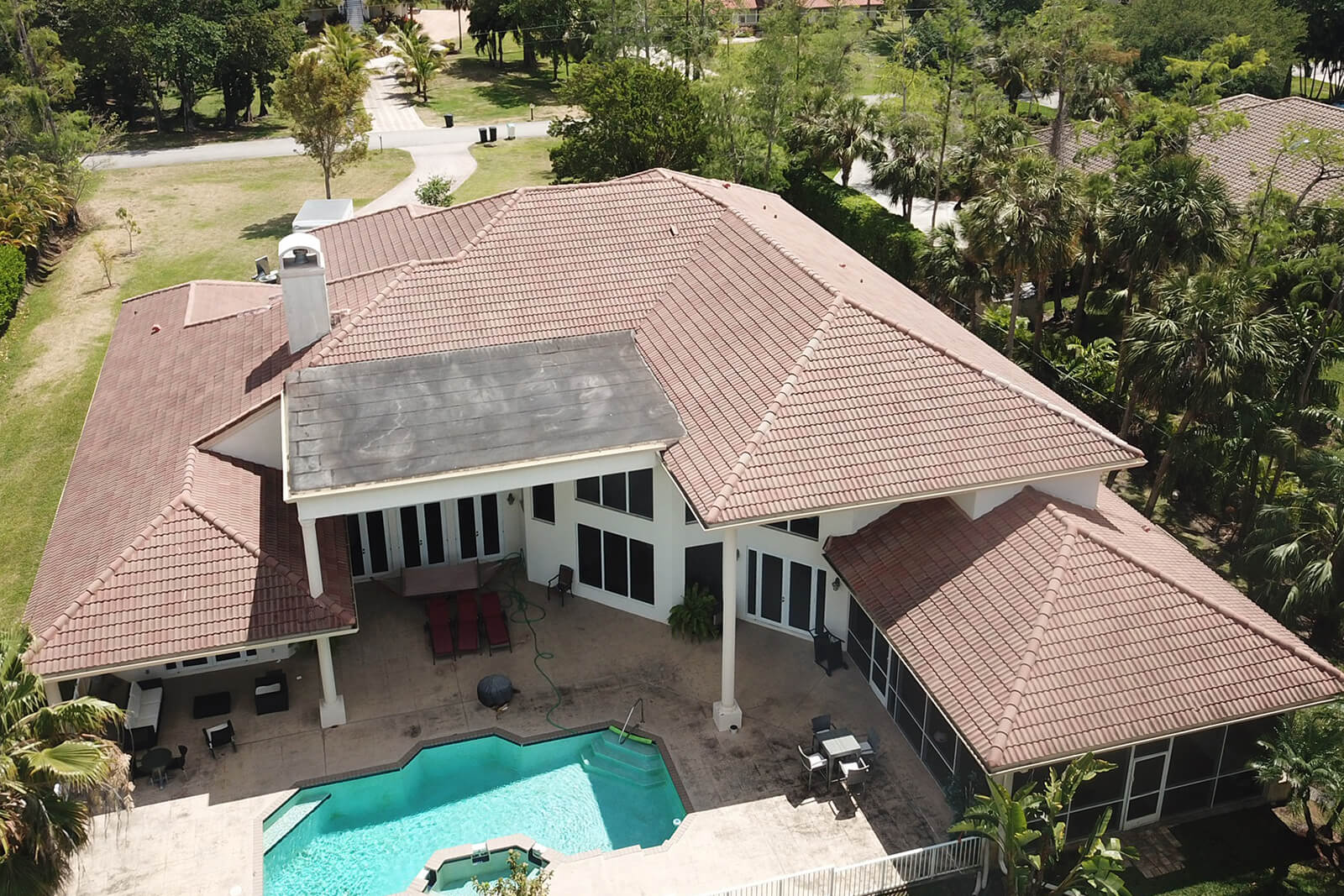
For Pompano Beach properties, focus your documentation on these specific elements: fastener pull-through where tiles have lifted, cracked or missing tiles showing underlying damage, and water stains on the interior ceiling that correspond to exterior damage points. The adjuster will cross-reference your photos with their own inspection. Mismatches raise red flags.
What Role Should Your Roofing Contractor Play in the Claims Process?
This is where homeowners get burned by Assignment of Benefits traps. Some contractors push you to sign over your insurance rights so they can “handle everything” and negotiate directly with your carrier. The problem is that once you sign an AOB, you lose control of your own claim. The contractor decides what gets repaired, what gets billed, and whether to accept the carrier’s settlement.
We’ll communicate directly with your insurer if you ask us to, but we always insist that you remain the primary contact. It’s your home, and you stay in control. Our role is to provide detailed damage assessments, pull the mandatory Broward County permits, and execute repairs that meet current Florida Building Code standards. We work for you, not the insurance company.
A legitimate contractor will give you an independent estimate before you file the claim. This helps you understand whether the damage justifies filing at all. If your deductible is $5,000 and the repair costs $6,000, you’re only collecting $1,000 while adding a claim to your record. That might not be worth it, especially if your carrier has already flagged your property for non-renewal consideration.
When Does Filing a Claim Actually Hurt You?
Filing multiple claims within three years can make you uninsurable in Florida’s standard market. You’ll end up in Citizens Property Insurance, where premiums run 30-50% higher. Two claims in three years is the threshold where most carriers either non-renew or surcharge your policy.
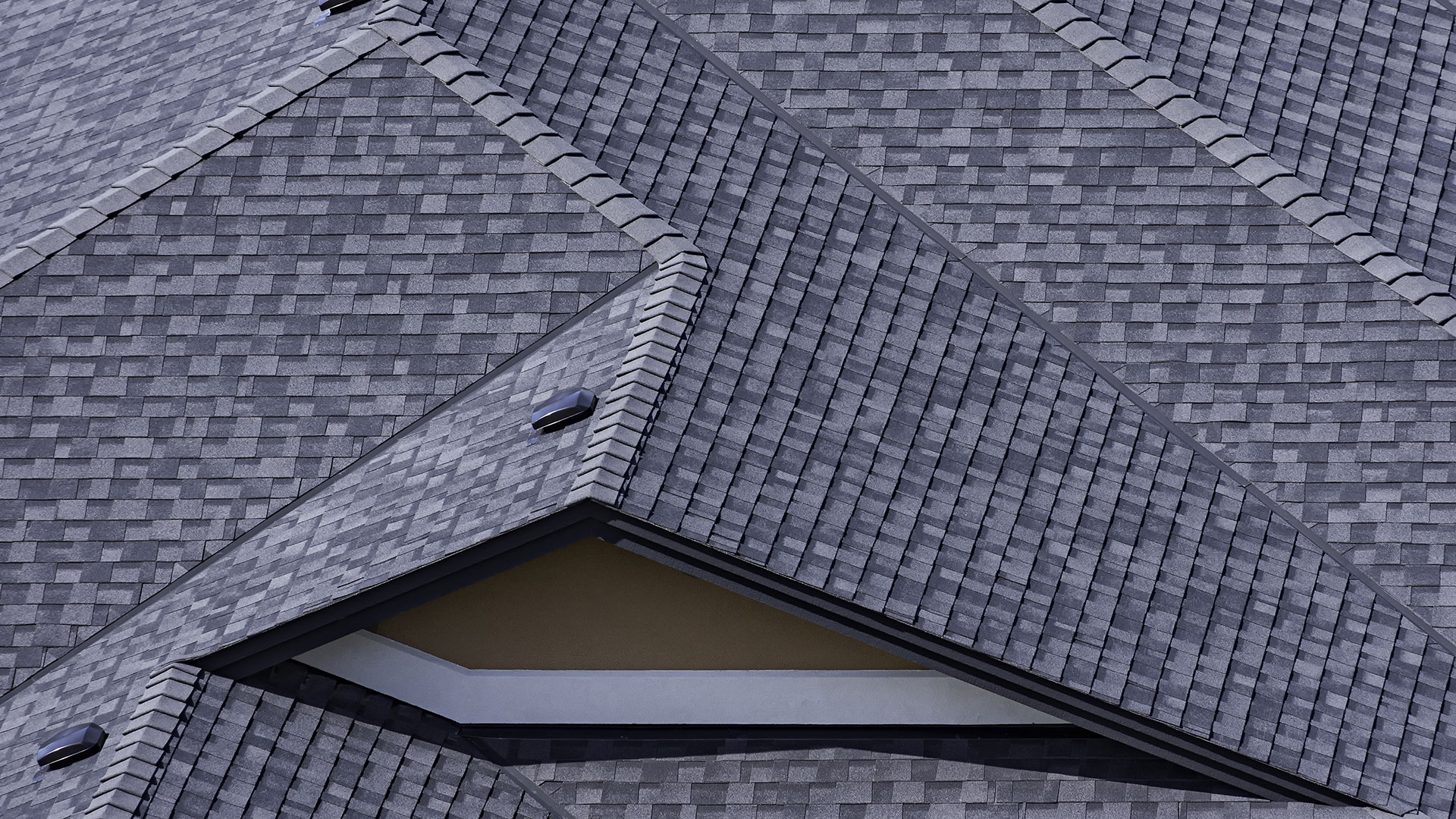
Gradual deterioration claims almost never succeed. If your 18-year-old shingle roof is leaking because the granules have worn off and the underlayment is failing, that’s maintenance neglect, not covered damage. We’ve seen homeowners try to attribute this to “wind damage” after a tropical storm, only to have forensic adjusters point out that the wear patterns took years to develop. The claim gets denied, and now there’s a permanent record that future insurers will see.
For smaller issues, paying out of pocket preserves your claims history for actual catastrophic events. We tell our clients that if the repair costs less than 1.5 times your deductible, handle it yourself. Save your coverage capacity for the Category 3 hurricane that takes off half your roof.
Boundary conditions: This advice assumes you have an active policy with no recent lapses and that you’re filing within the required timeframe, typically one year from the date of loss for property damage. If your roof is over 20 years old, many carriers won’t cover anything beyond emergency temporary repairs, regardless of the cause. If you’re in foreclosure or have outstanding code violations on the property, the claim process becomes significantly more complicated and often requires legal intervention before the carrier will pay.
For honest documentation help and an independent damage assessment that puts your interests first, call Bentley Roofing at 954-979-2233. We’ll walk your roof with you, explain exactly what happened, and help you make the right decision before you contact your insurer.