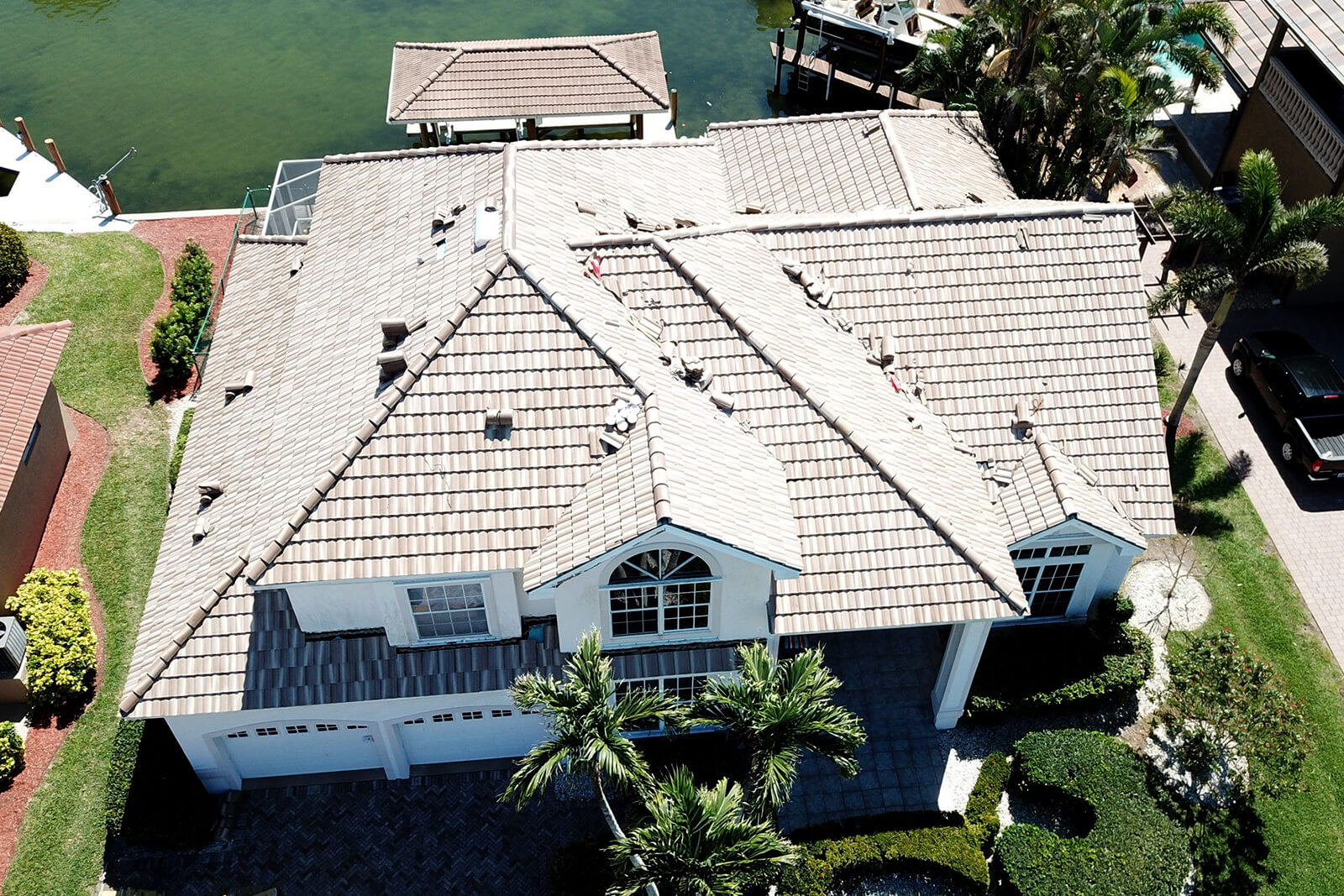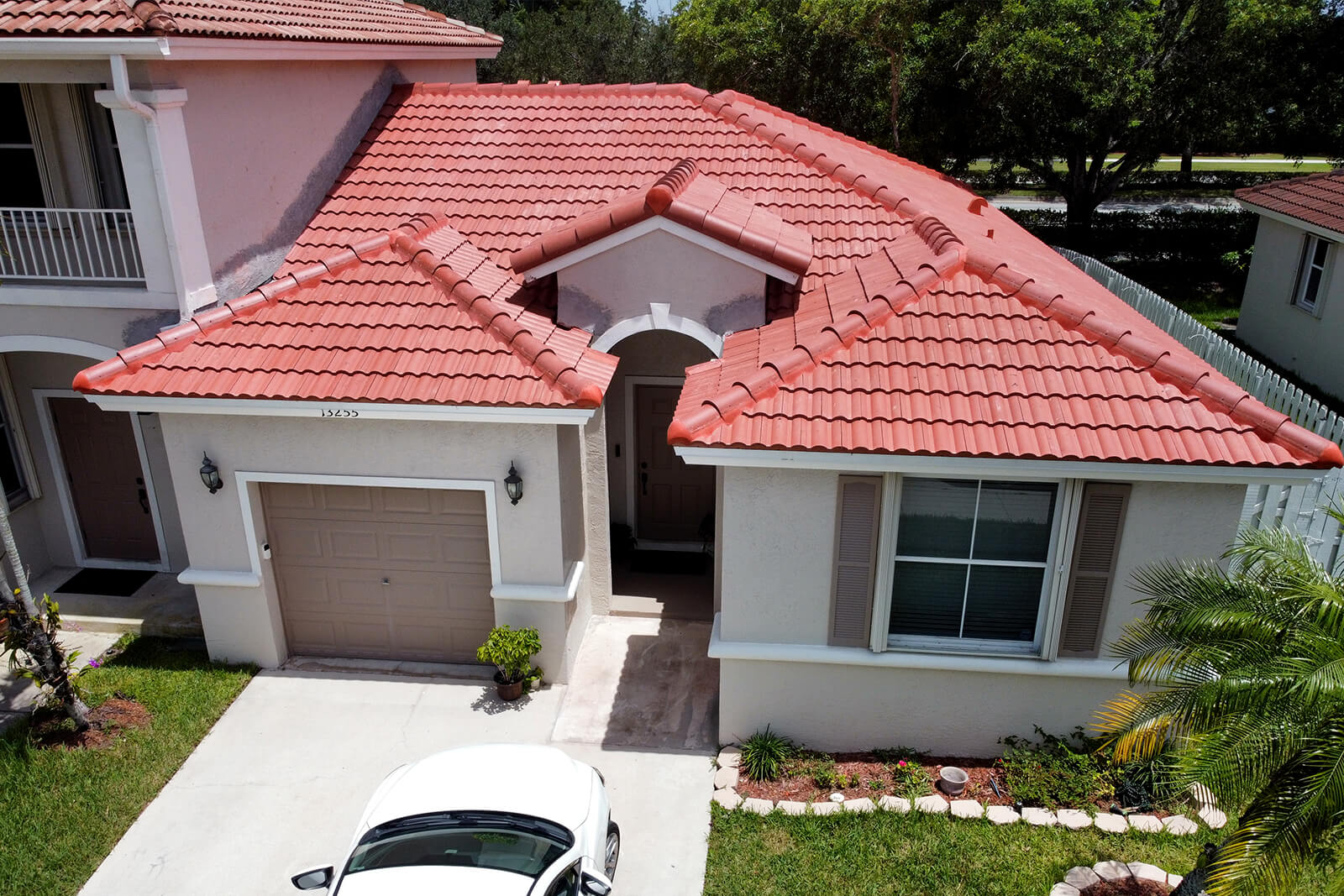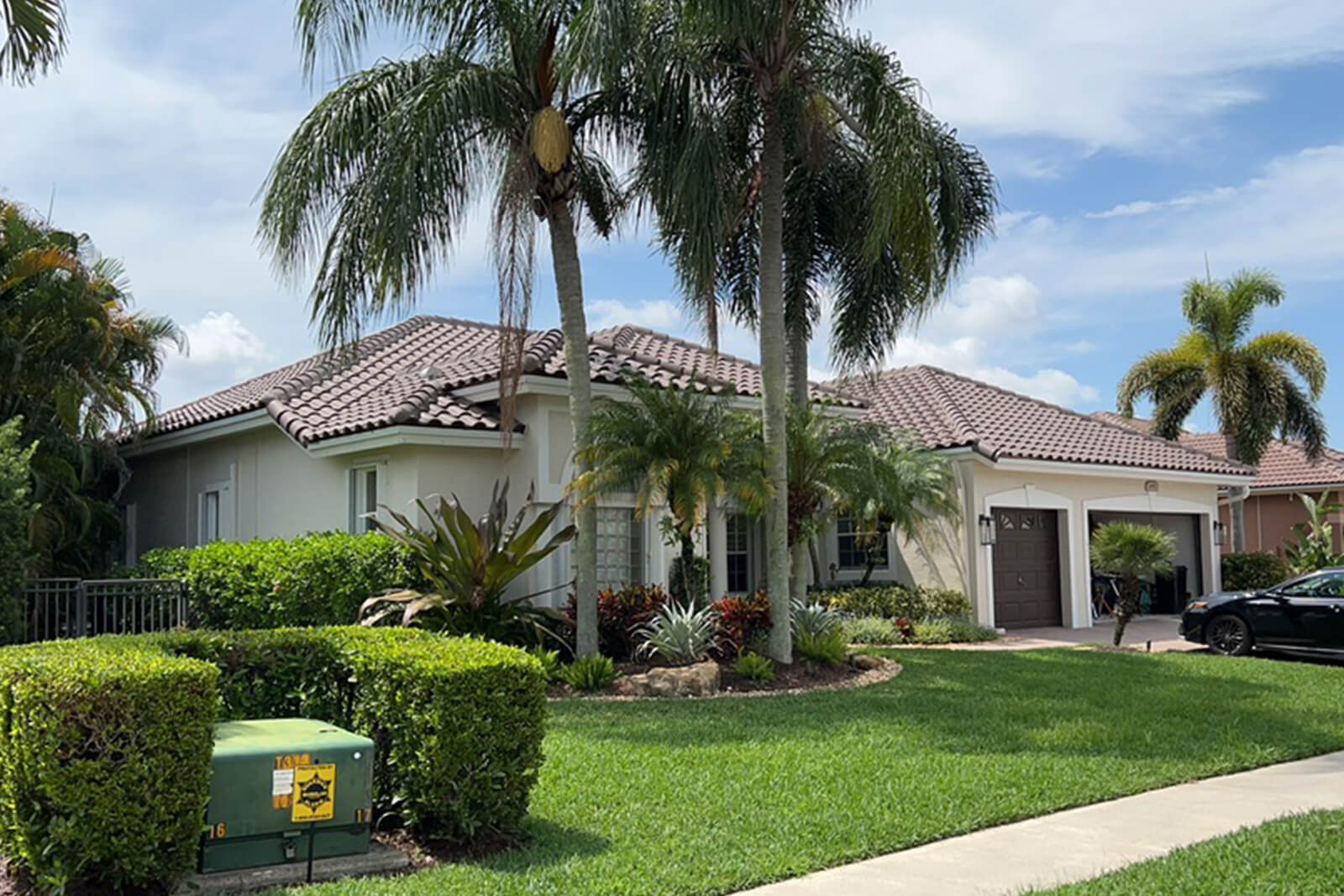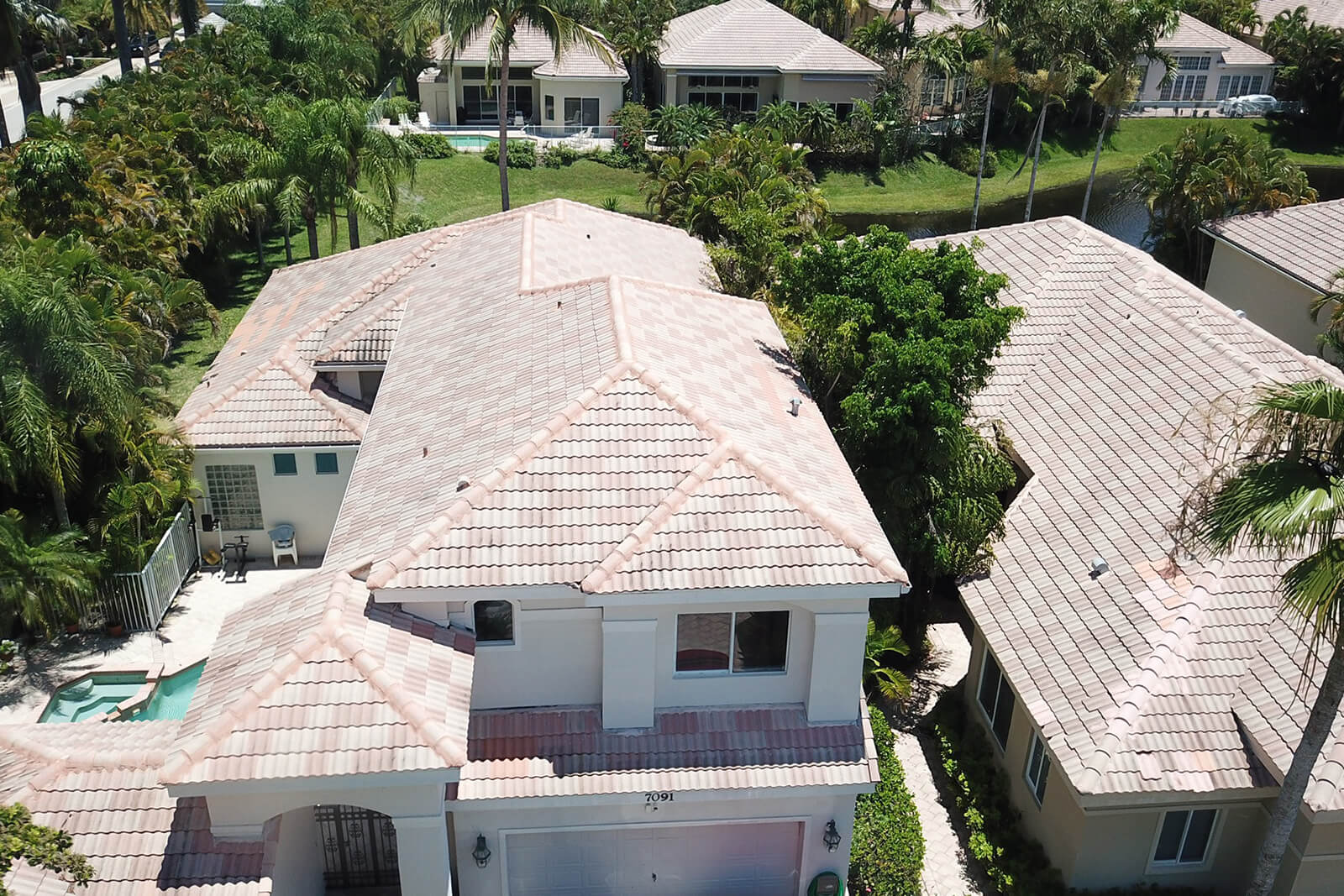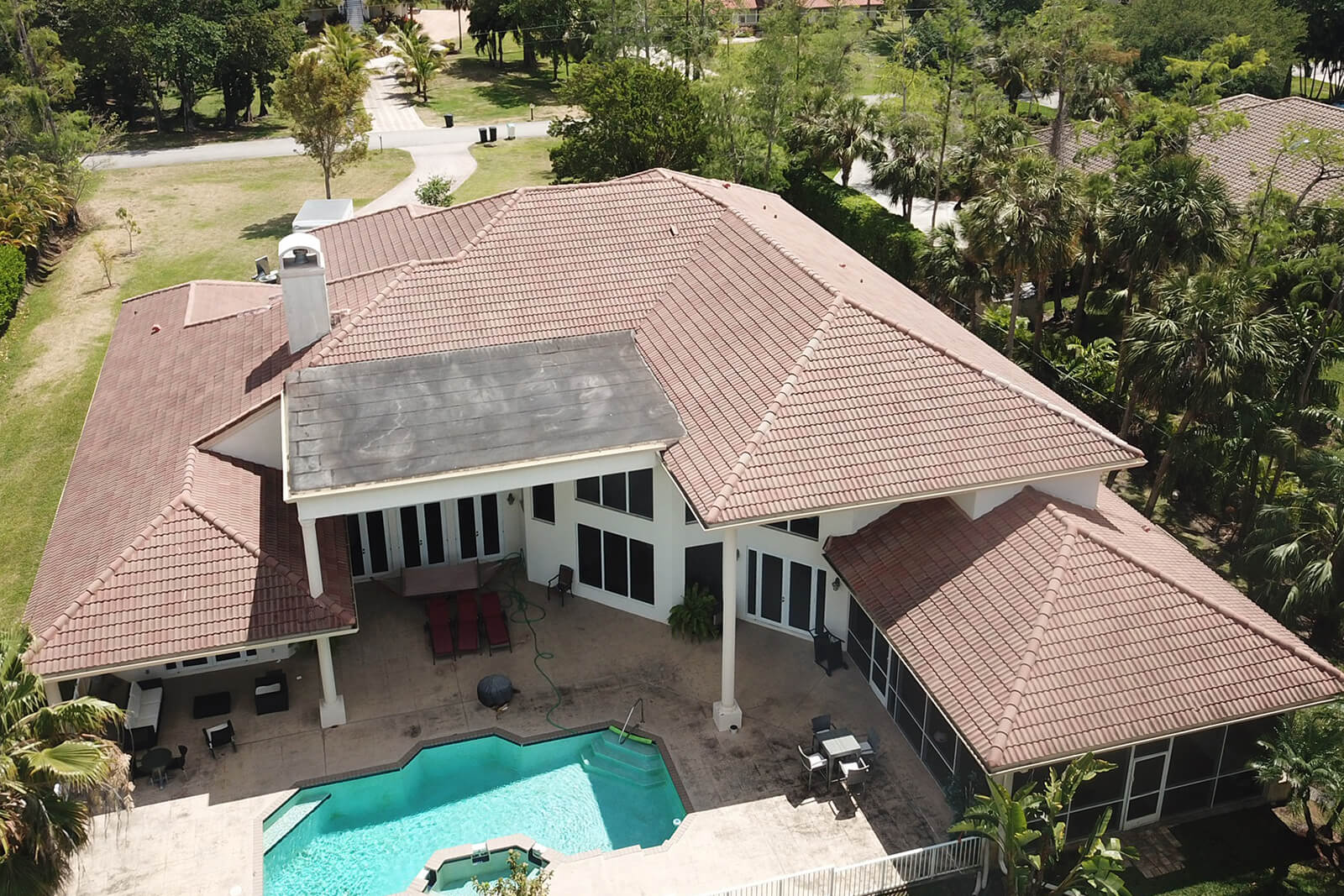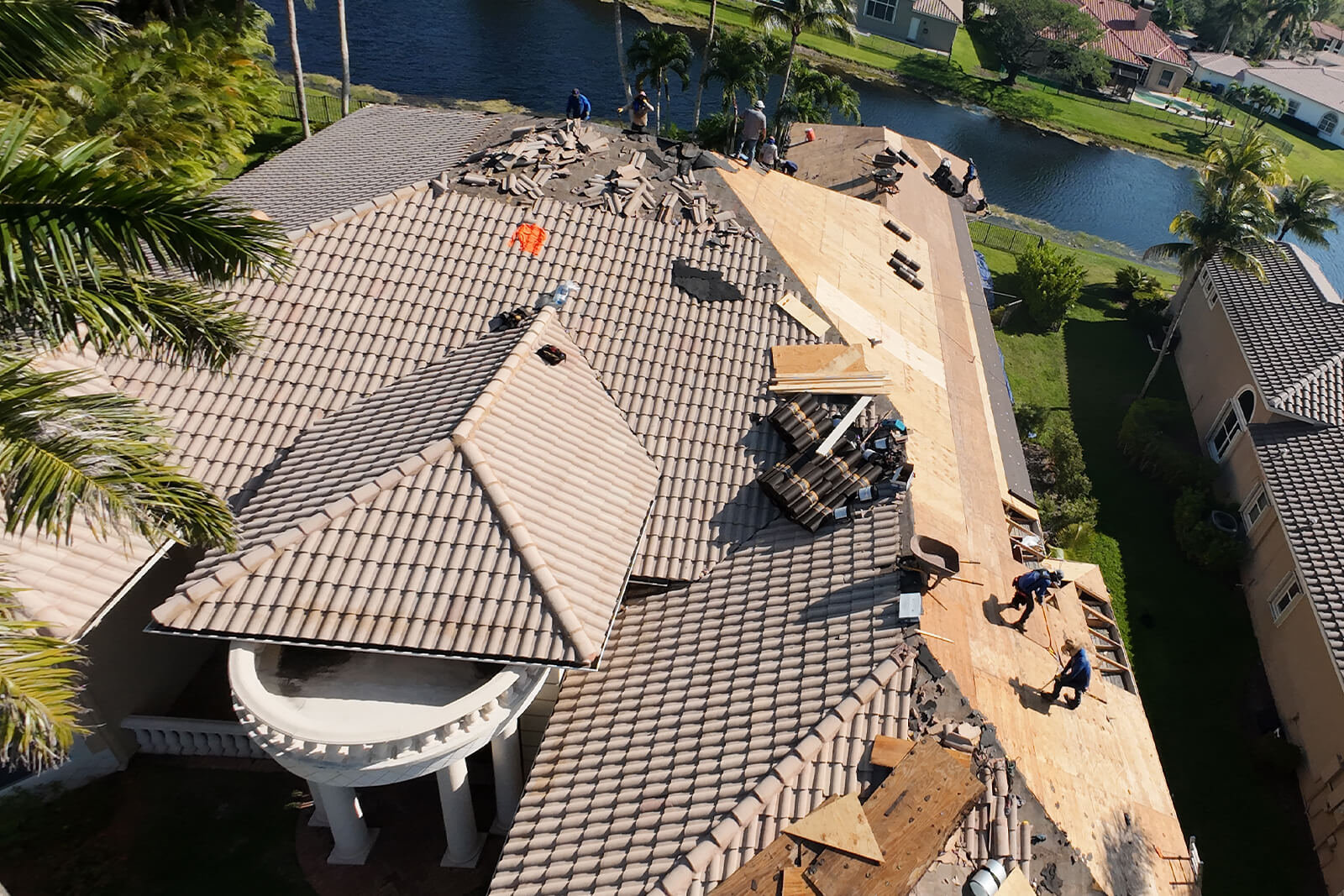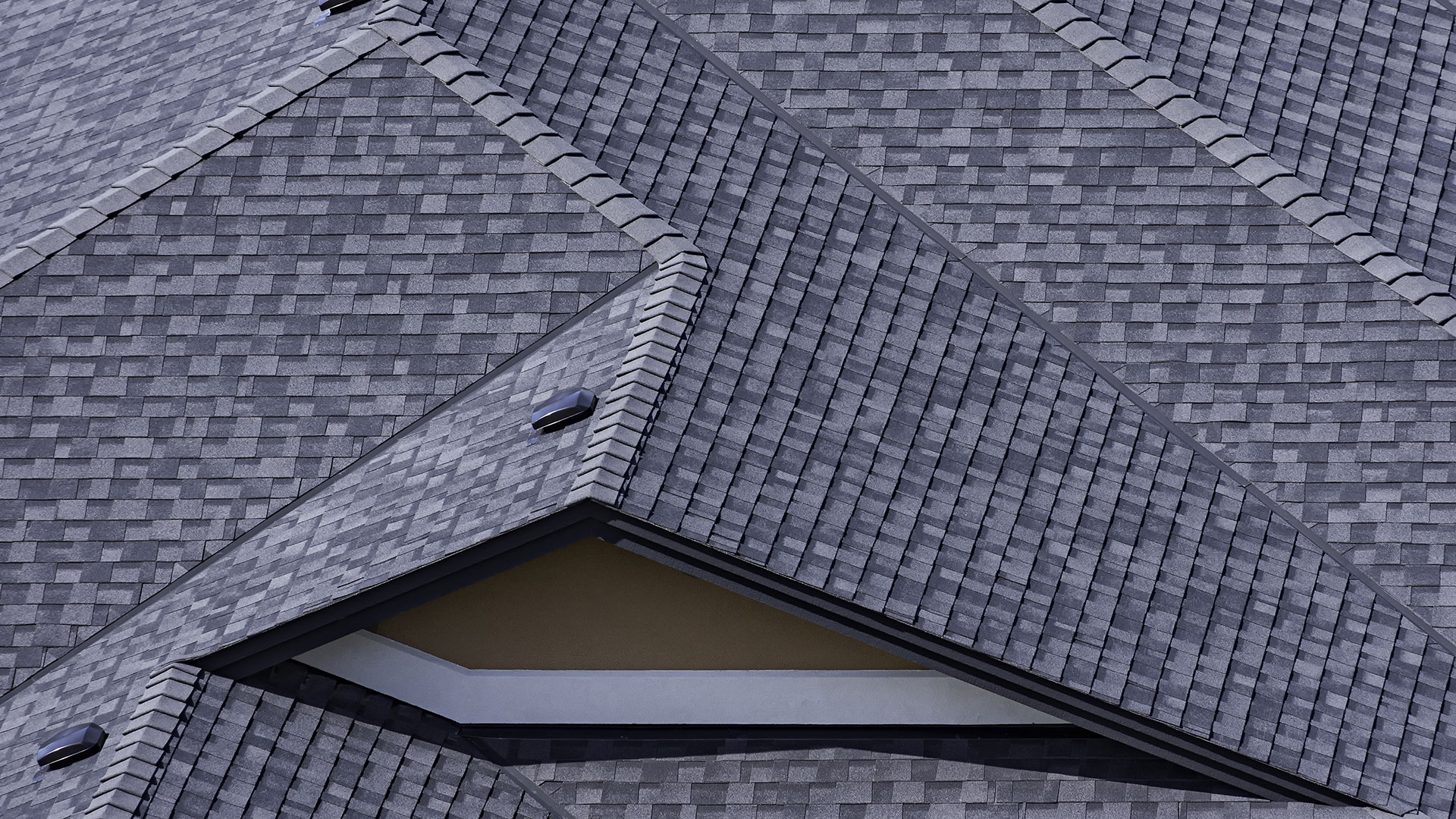
For most South Florida homes, concrete tile roofing offers the best balance of hurricane resistance, longevity, and insurance savings, lasting 40-50 years with proper maintenance. Metal roofing runs a close second for coastal properties within 3-5 miles of the Atlantic, where salt air demands superior corrosion resistance. Architectural shingles work for budget-conscious buyers, but expect a 15-20 year lifespan in our brutal UV and storm environment. This breaks down when your home sits in a neighborhood with strict HOA architectural covenants that mandate specific roofing styles, or when your roof structure lacks the load-bearing capacity for tile’s additional weight.
Since 2007, we at Bentley Roofing have installed and replaced thousands of roofs across Pompano Beach, Boca Raton, and Fort Lauderdale. The material you choose matters less than how it’s installed and whether it meets Florida Building Code requirements for High Velocity Hurricane Zones. We’ve torn off too many “bargain” roofs installed by unlicensed handymen who skipped permits and used the wrong fasteners, leaving homeowners with insurance claim denials and structural damage.
What Makes Tile Roofing the Default Choice for South Florida?
Concrete and clay tile dominate South Florida roofing for good reason. Tile roofs survive Category 3-4 hurricanes when properly installed with Miami-Dade NOA-approved underlayment and 316 stainless steel fasteners. The thermal mass reduces attic temperatures by 20-30 degrees compared to shingles, cutting cooling costs during our endless summer. Insurance companies recognize this durability with premium discounts ranging from 15-25% when combined with proper wind mitigation features.
The hard truth: tile installation costs $12-18 per square foot in Broward and Palm Beach counties, roughly double the price of architectural shingles. That upfront investment pays off over decades. We’ve inspected 30-year-old tile roofs that only needed minor repairs, while shingle roofs installed in the same neighborhood required complete replacement after 18 years.
Tile’s biggest vulnerability isn’t the tiles themselves. It’s the underlayment underneath. Our team routinely finds homeowners who had “tile repair” done by unlicensed contractors who replaced broken tiles but ignored the deteriorating felt paper beneath. When that underlayment fails, water penetrates the roof deck regardless of how perfect the tiles look from the ground. At Bentley Roofing, we refuse to patch tiles without inspecting and addressing underlayment condition first.
The weight factor matters. Tile adds 850-950 pounds per square (100 square feet). Homes built before 1995 may require structural reinforcement before tile installation, adding $3,000-8,000 to project costs. We pull permits and provide engineering assessments for every tile roof in Broward County to ensure code compliance.
When Does Metal Roofing Make More Sense Than Tile?
Metal roofing excels in coastal applications east of the Florida Turnpike where Atlantic salt air travels inland. Standing seam aluminum and Galvalume steel resist corrosion that destroys standard roofing materials within 5-7 years. Metal roofs weigh just 50-150 pounds per square, eliminating structural concerns while delivering 40-60 year lifespans.
The cost runs $10-16 per square foot installed, positioning metal between shingles and tile. The reflective surface can reduce cooling costs by 20-30%, and most metal roofing qualifies for Florida’s energy efficiency tax credits. Insurance companies treat properly installed metal roofs the same as tile for wind mitigation discounts.
We’ve replaced dozens of failed metal roofs in Deerfield Beach and Lighthouse Point where bargain contractors used exposed fastener panels with galvanized screws instead of stainless steel. Those fasteners rust out within 36-48 months in salt air, creating thousands of leak points. Standing seam systems with concealed fasteners eliminate this failure mode entirely, but they cost $3-5 more per square foot.
Metal roofing creates more attic noise during heavy rain than tile. Some homeowners love the sound. Others hate it. We install additional insulation layers to dampen noise when clients request it, adding $1-2 per square foot.
Why Do We Still Install Architectural Shingles Despite Their Shorter Lifespan?
Architectural shingles cost $5-8 per square foot installed, making them the entry point for South Florida roofing. Modern architectural shingles from Owens Corning and GAF carry Class 4 impact ratings and 130+ mph wind ratings when installed to manufacturer specifications with proper starter strips and hurricane clips.
The reality: Florida’s UV exposure bakes shingles relentlessly. Attic temperatures reach 150°F or higher without proper ventilation, cooking shingles from below while the sun attacks from above. We see 25-year warranty shingles failing at the 15-18 year mark across Fort Lauderdale and Pompano Beach. Florida Statute 627.7011 allows insurance companies to non-renew policies or demand inspections on roofs over 15 years old, which means shingle roofs often require replacement right when insurance becomes difficult to maintain.
Shingles make sense for properties you plan to sell within 10-12 years, rental properties with tight budgets, or situations where HOA rules prohibit tile and metal. We won’t install shingles on homes within 2 miles of the coast without explaining the accelerated deterioration salt air causes.
Here’s what we tell every homeowner: if you’re staying in the house long-term, spending the extra $8,000-12,000 for tile or metal means you’ll likely never reroof again. Choosing shingles means you’ll reroof twice during your ownership, potentially spending more total money while dealing with the disruption multiple times.
What Are the Boundary Conditions That Override These General Recommendations?
Your roof structure determines what’s physically possible. Homes with engineered trusses rated for shingles cannot support tile without costly structural modifications. Flat or low-slope roofs under 3:12 pitch eliminate tile as an option entirely, requiring TPO, modified bitumen, or standing seam metal instead.
HOA architectural review boards frequently mandate specific materials and colors. We’ve worked with clients in gated Boca Raton communities where only barrel tile in specific terra cotta shades gained approval. Your material preference means nothing if your HOA covenant prohibits it.
Insurance requirements create another constraint. After Hurricane Ian, some carriers now require Class 4 impact-rated materials for policy renewals in coastal zones. Not all tile and metal products meet this threshold. We verify insurance requirements before material selection to avoid coverage gaps.
If you’re questioning whether your roof needs replacement or which material fits your specific situation in Broward or Palm Beach County, call Bentley Roofing at 954-979-2233 for a free assessment. We’ll inspect your existing roof structure, explain your code-compliant options, and provide honest recommendations based on how you actually use the property.