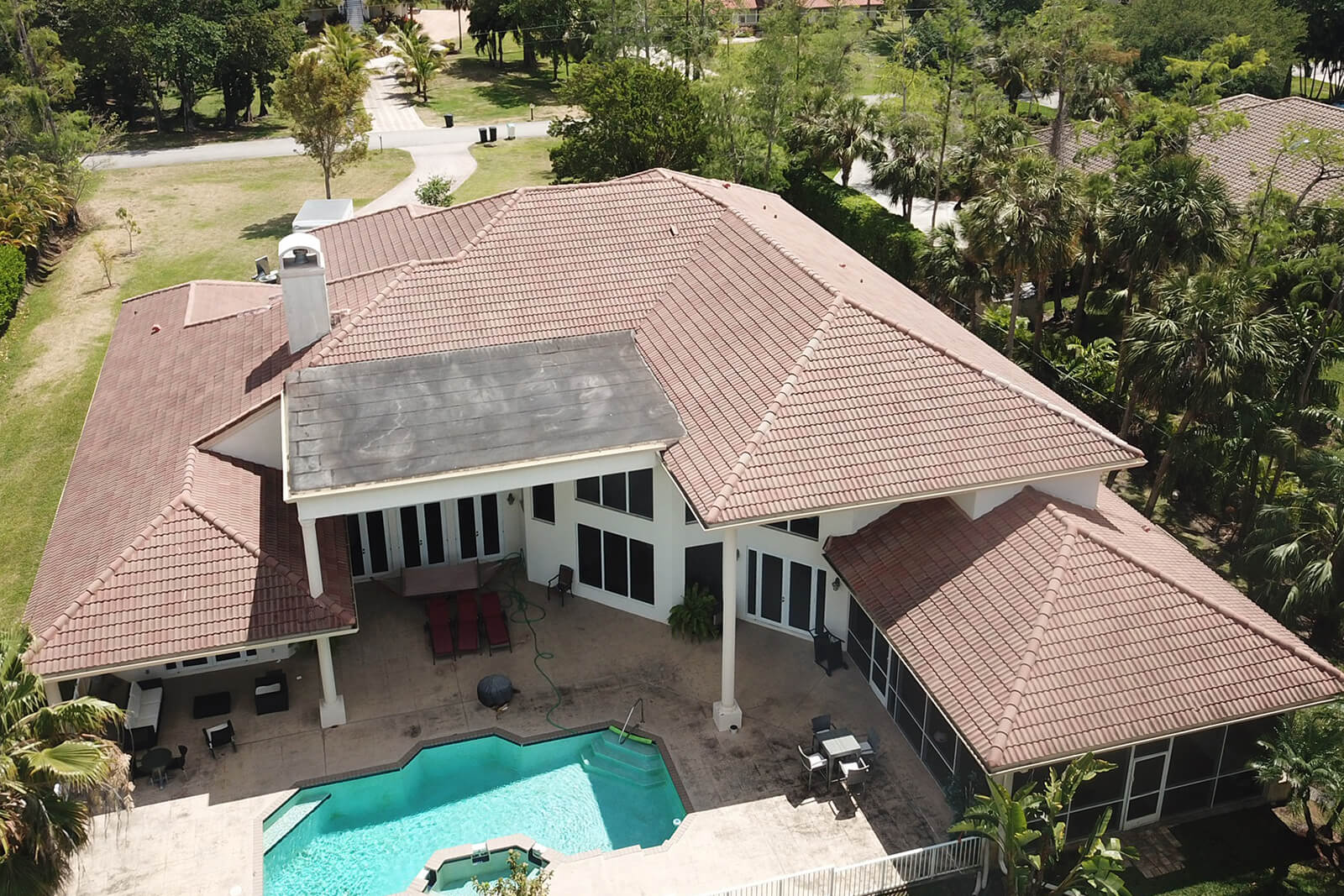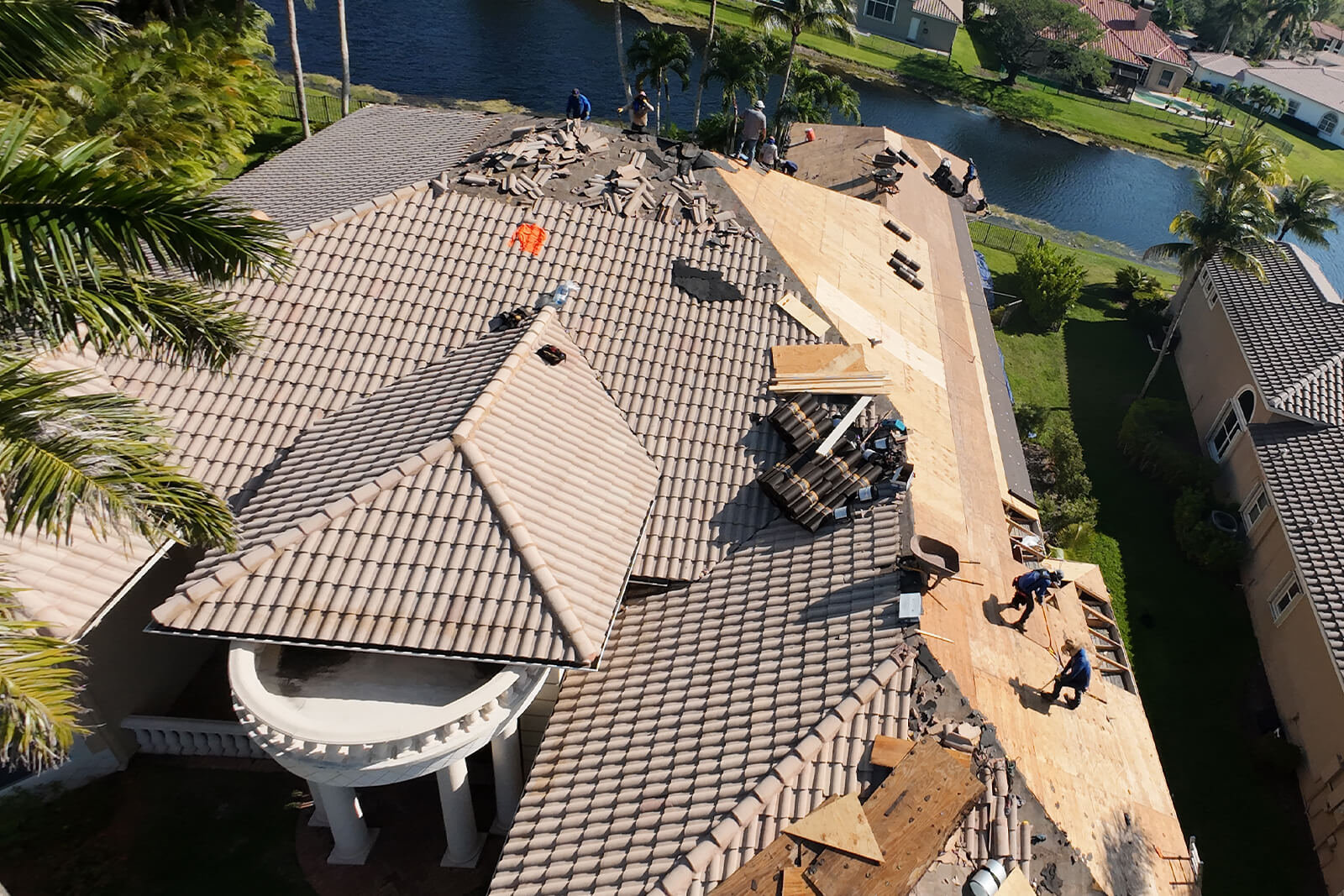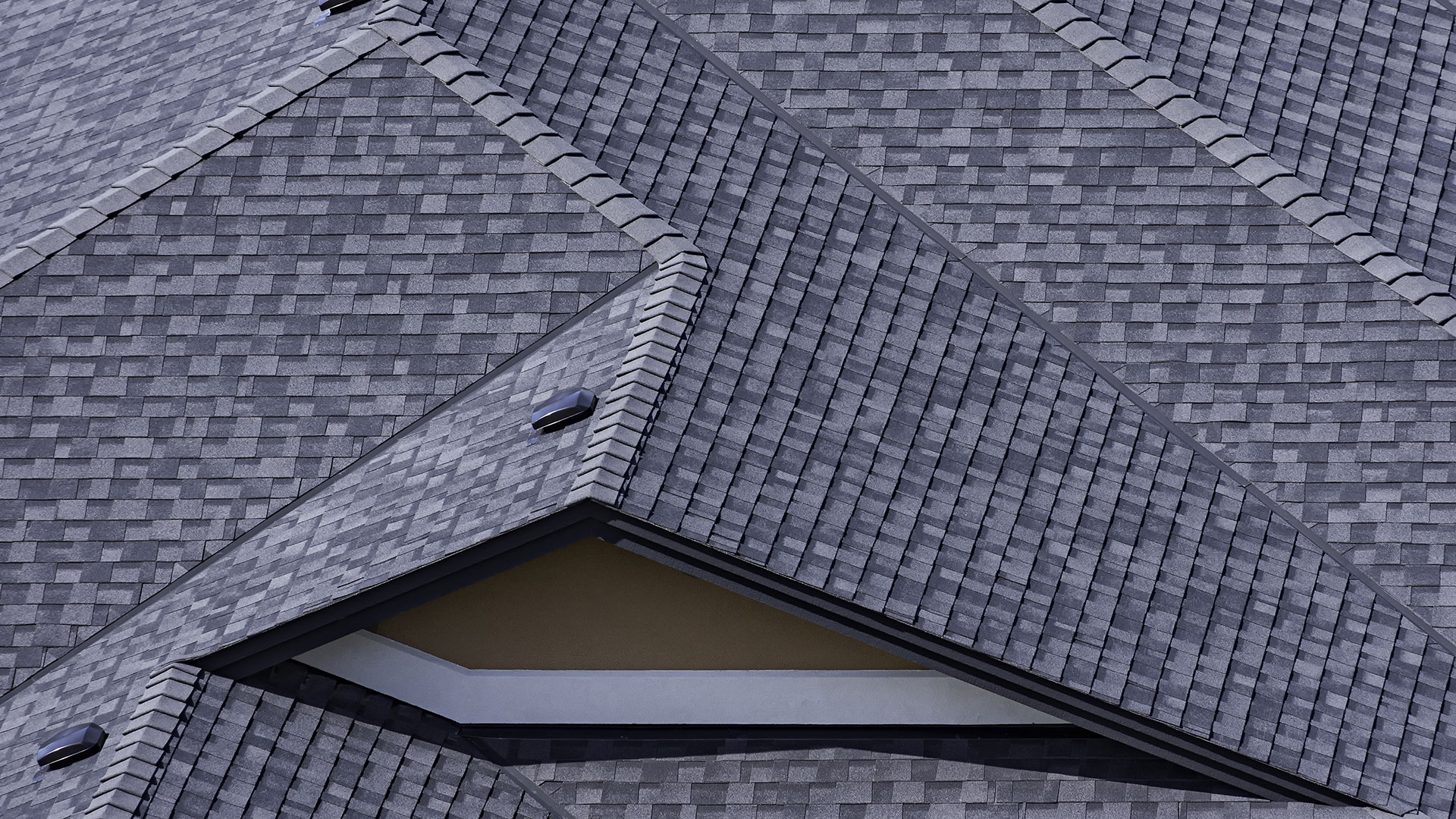
Start your hurricane prep 90 days before June 1st—the official start of Atlantic hurricane season. Schedule a certified roof inspection in March or April, when licensed contractors aren’t swamped with emergency repairs and you still have time to pull permits, order materials, and complete work before the first storm forms. Waiting until May means you’re competing with thousands of other South Florida homeowners for the same contractors, and many material suppliers run low on critical items like underlayment and fasteners. This breaks down when your roof is already damaged or leaking, which requires immediate emergency repair regardless of season.
Since opening our doors in 2007, we at Bentley Roofing have seen too many Pompano Beach homeowners discover major roof damage the day a hurricane watch gets issued. By then, it’s too late for proper repairs. Here’s how we approach pre-season inspections and what you need to protect your home.
What Should a Pre-Hurricane Roof Inspection Actually Cover?
A legitimate inspection examines every vulnerability that coastal storms exploit. Salt air exposure, UV damage, and previous storm wear combine to create failure points that won’t be obvious from the ground.
We start with fastener integrity. For homes east of the Florida Turnpike in Pompano Beach, Atlantic salt air corrodes standard galvanized fasteners within 5 years. We’ve torn off roofs where tiles looked fine but lifted right off because the fasteners underneath had rusted to nothing. During inspections, we check whether your roof was installed with 316 stainless steel fasteners, which resist corrosion, or cheap galvanized hardware that’s already compromised.
Next is underlayment condition. Florida’s extreme UV exposure bakes the tar paper or synthetic underlayment beneath your tiles or shingles. We look for brittleness, cracking, or complete deterioration. If your roof is over 10 years old and the underlayment is compromised, even intact tiles won’t keep water out during a hurricane’s wind-driven rain.
Flashing around chimneys, vents, and roof-to-wall transitions fails first. We inspect every penetration point and transition area where different roof planes meet. These spots leak during regular summer storms, and they catastrophically fail when hurricane winds create positive and negative pressure cycles that literally suck water through any gap.
Finally, we document everything with photo and video evidence. If you need to file an insurance claim after a storm, having pre-storm documentation of your roof’s condition is critical. We provide this to every client, and it has saved thousands of dollars in disputed claims.
What Repairs Should You Prioritize Before Storm Season?
Not every issue needs immediate attention, but three categories demand action before June 1st.
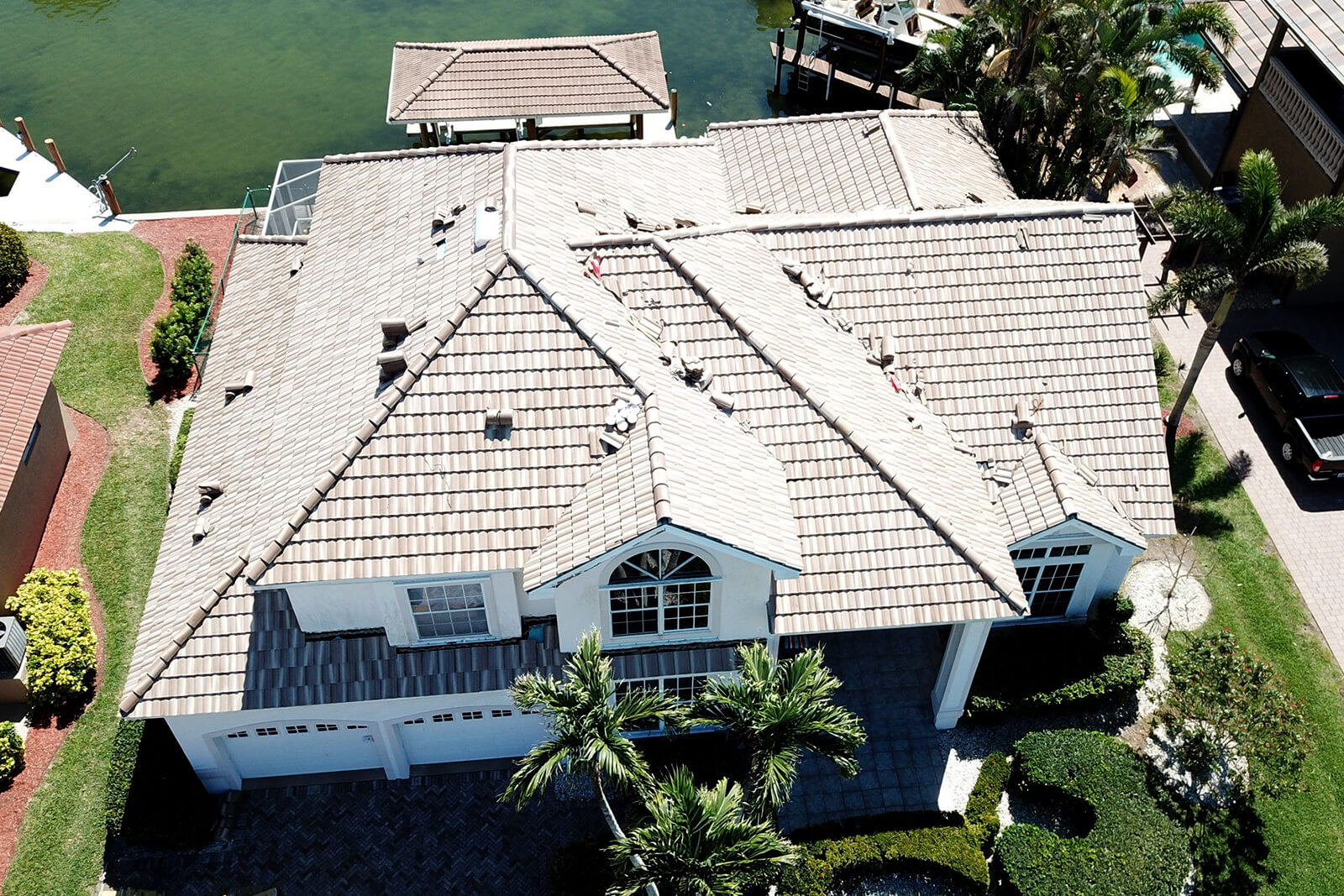
Loose or missing tiles and shingles become projectiles in hurricane winds. We’ve responded after storms where a neighbor’s loose barrel tile crashed through a window three houses away. Beyond the liability, every missing tile is an entry point for water. We re-secure or replace these first, using proper fastening techniques that meet Miami-Dade NOA requirements for High Velocity Hurricane Zones.
Deteriorated flashing gets replaced entirely, not patched. Temporary sealants fail under sustained wind and rain. At Bentley Roofing, we refuse to apply roofing cement as a “quick fix” for failing flashing, because it doesn’t work. We remove the old flashing, install new corrosion-resistant material, and integrate it properly with the underlayment system.
Compromised roof deck is non-negotiable. If your plywood or OSB sheathing is soft, warped, or water-damaged, it won’t hold fasteners during high winds. We’ve seen entire roof sections peel off homes during hurricanes because the decking was rotted and fasteners had nothing solid to grip. This repair requires pulling permits through Broward County and often involves structural engineering, so it takes time. Start early.
One note about insurance: while we assist with detailed photo documentation and damage reports, we are roofing contractors, not insurance adjusters. We work for you, not the insurance company. We’ll communicate directly with your insurer if you ask us to, but we always insist that you remain the primary contact. It’s your home, and you stay in control.
Should You Apply Protective Coatings or Sealants?
This is where a lot of homeowners get burned by bad advice.
Roof coatings do not make a structurally compromised roof hurricane-proof. If your underlayment is shot, your fasteners are corroded, or your decking is damaged, no coating will save you. We’ve inspected roofs after storms where homeowners paid thousands for elastomeric coatings that were marketed as “hurricane protection,” only to have the entire roof fail because the underlying structure was already compromised.
That said, quality coatings serve a purpose on structurally sound flat or low-slope commercial roofs. Silicone or acrylic coatings can extend the life of TPO or built-up roof systems by providing additional waterproofing and UV protection. But they’re a supplement to proper maintenance, not a substitute.
For tile and shingle roofs, skip the coatings. Focus on structural integrity: fasteners, underlayment, and flashing. The money you’d spend on a coating is better invested in replacing deteriorated underlayment or upgrading to stainless steel fasteners.
What Are the Boundaries of DIY Hurricane Prep?
You can handle minor tasks, but most hurricane prep requires a licensed contractor.
You can safely clear debris from gutters and roof valleys while standing on a ladder. Leaves, branches, and dirt create dams that trap water, which then finds its way under shingles or tiles during heavy rain. This is basic maintenance and doesn’t require climbing onto the roof itself.
Do not walk on your roof to inspect or repair it yourself. Roof work is dangerous, and walking on tiles or aged shingles causes more damage than you’re trying to prevent. Concrete and clay tiles crack under foot traffic, and old asphalt shingles lose granules and protective coating when walked on. If you suspect damage, call a licensed professional.
Do not attempt to re-secure loose tiles or replace flashing. Proper installation requires understanding load paths, fastener spacing, and how different roof components interact during wind events. We’ve torn off countless “repairs” done by unlicensed handymen who used the wrong fasteners, skipped underlayment, or violated setback requirements. These roofs failed code inspection and had to be completely redone, costing homeowners double.
Permits are mandatory in Broward County for any structural roof work. This isn’t bureaucracy—it’s protection. Permitted work gets inspected by county officials who verify code compliance. Unpermitted work has no oversight, no accountability, and no recourse when it fails. At Bentley Roofing, we slow the process down, pull the mandatory permits, and ensure every repair survives both the inspection and the storm.
If you’re uncertain about your roof’s condition or what needs attention before hurricane season, contact us at 954-979-2233 for a certified inspection. Seeing is believing, and we’ll show you exactly what’s at risk and what’s not.
Final boundaries: Our advice applies to standard residential roofs in coastal Broward County. If you have a flat commercial roof over 10,000 square feet, historical tile requiring specialized restoration, or a roof with known structural damage, you need engineering involvement beyond standard inspection. And if a storm is already approaching within 48 hours, contractors cannot safely work on your roof—focus on interior preparation and document existing damage for post-storm claims.